

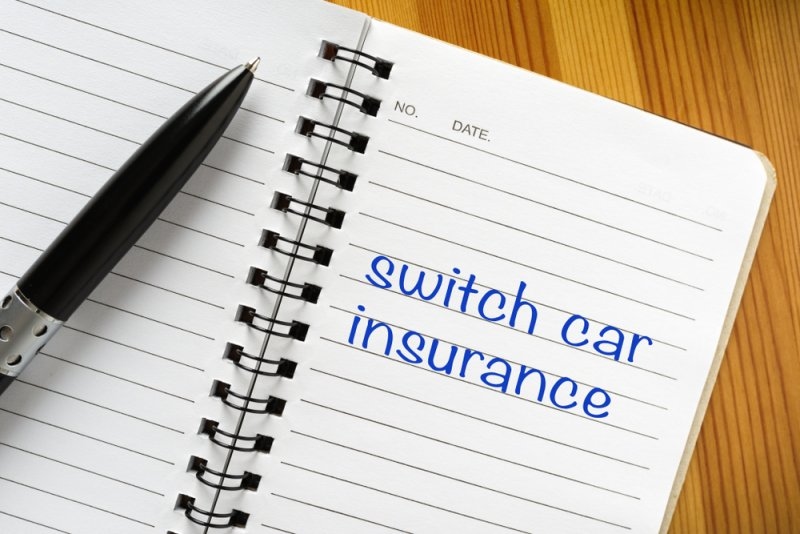
Car insurance prices are always on the move. One year, you’re coasting along, the next your premiums jump, or that nice discount vanishes. Maybe you move, buy a new car, add someone to your policy, or just notice you’re getting squeezed for the same old coverage. That’s usually the moment people start hunting for a better deal. Honestly, a lot of folks end up saving more than they expected just by switching at the right time.
Even so, switching insurance feels like a headache for some people. So many forms, endless questions—it’s easy to put off. But with a little prep, it doesn’t have to be a giant hassle. The trick is figuring out the right time to make a switch, knowing what to look at when you compare, and making sure you don’t leave any gaps in your coverage.
In this blog, you’ll find easy tips to switch auto insurance, smart ways to cut your premiums, and advice for changing policies without costly missteps.
Many drivers stay with the same insurer for years. Sometimes out of habit. Sometimes, switching feels like work, but using a switch car insurance often leads to real savings. Insurance companies constantly update rates. What was cheap two years ago may not be cheap now.
Loyalty does not always mean lower premiums.
Here’s what you might discover once you switch car insurance:
Even small savings add up fast over a year. That extra cash matters.
Insurance pricing shifts based on many things. Driving history, credit profile, zip code, vehicle type, accident trends—everything affects rates. This is why many people decide to switch car insurance after renewal notices. The increase often feels sudden.
Sometimes it is.
Saving money matters, yes. But price alone should not drive every decision. Going for a cheap policy with lousy coverage can end up costing you more in the long run. Smart drivers switch car insurance for better protection, not just lower rates.
Balance matters here.
Timing matters more than people think. Many people switch auto insurance right after a rate increase. Others do it after major life changes. Both are common.
There are good moments to review policies.
Renewal is usually the easiest time to switch auto insurance. You can compare new quotes without worrying about cancellation fees or overlapping payments. It feels cleaner.
This is when most drivers should shop around. At least once a year.
Some life changes affect premiums fast.
Say you just moved to a safer neighborhood, bought a safer car, improved your credit score, got married, or added some safety features. All of these can bump your rates down, making it worth switching sooner rather than later. A minor life change can mean big savings on your bill.

This part matters most. Figuring out the right way to switch car insurance means you won’t deal with any gaps in coverage, penalties, or headaches when making claims.
Start with quotes from multiple providers. Compare more than price. Look at liability limits, deductibles, collision coverage, roadside support, plus customer reviews.
A lower premium with reduced protection is not always a win. Read details carefully. That matters.
This is critical. When learning how to switch car insurance, remember this rule—never cancel your old policy first. Always secure the new policy before ending the old one.
Even a one-day gap creates risk. No shortcuts here.
After your new policy kicks in, reach out to your old insurance company and make sure you cancel your old one officially. Ask for written confirmation. Check refund eligibility if you paid upfront.
This final step gets ignored sometimes. Don’t skip it.
Many people ask about how to switch auto insurance smoothly. The answer is mostly preparation. A rushed switch leads to mistakes. A planned switch saves money.
Before shopping, keep key details ready.
To speed up the quote process, have this stuff handy:
A little organization means less back-and-forth when you’re gathering quotes.
Discounts vary a lot between insurers. When exploring how to switch auto insurance, ask about savings tied to safe driving, bundled policies, low mileage, autopay, or defensive driving courses.
Some discounts are not obvious. Ask directly. It helps.
Switching helps, but there are more ways to save. Once you switch car insurance, look for ways to cut your premiums even further by making smart tweaks.
Higher deductibles usually reduce monthly premiums. But there’s a tradeoff. You pay more out of pocket for claims. Choose a deductible you can realistically afford.
Not just what looks cheapest.
Bundling often creates solid discounts. Many insurers offer savings when combining instant auto insurance with renters, homeowners, or other policies. This can make switching auto insurance decisions even more worthwhile.
Extra savings stack up. Pretty fast.
Safe driving still matters most. Fewer accidents, fewer violations, plus clean driving history usually lead to better rates over time. Many insurers reward safe habits with lower premiums.
Consistency pays. Literally.
Switch car insurance isn’t just about chasing the rock-bottom price. You want real value, good coverage, and a policy that fits your life right now. Rates change, your needs change—so your comparisons should too.
Read the fine print. Look at multiple quotes. Get your questions answered. Don’t rush into a new policy. Making the smart switch can give you better coverage, lower costs, and fewer headaches when it’s time to file a claim.
Usually, shopping for car insurance won’t hurt your credit score. Some companies check your credit-based insurance score when you ask for a quote, but these checks barely move the needle. The details depend on your state and the insurer.
Most people can switch policies in a day. Gathering quotes might take longer if you want to compare a bunch of companies, but once you pick one and get approved, your new coverage can often start right away or whenever you choose.
Sometimes there is, sometimes not. Some insurance companies charge a cancellation fee if you leave mid-term, but lots don’t. Always check your policy first. If you prepaid for months ahead, ask about refunds too.
Yes, you can. Just remember, your rates will probably jump because insurers see recent claims as risky business. Still, it’s always worth comparing, since prices and policies can vary a lot from one provider to another.
This content was created by AI